The Space
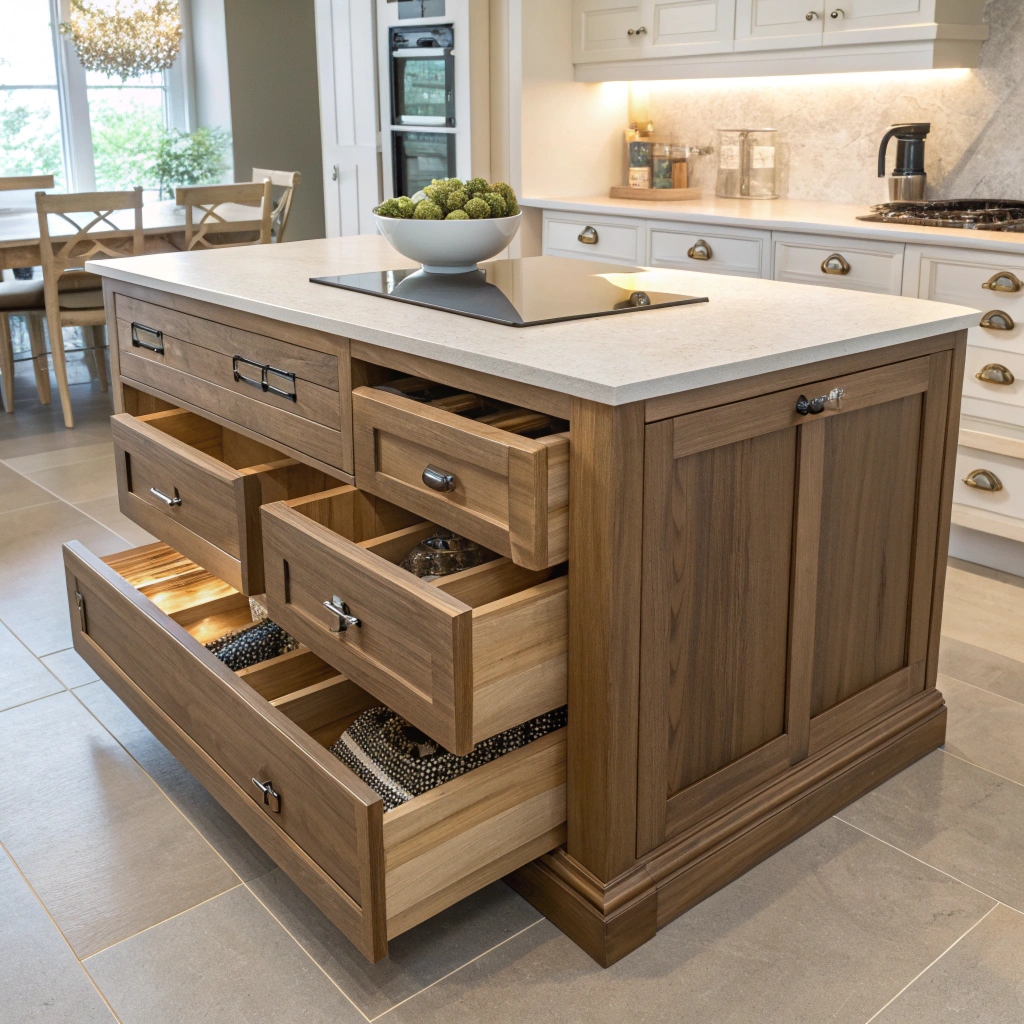
Our workshop is located in Preston, an inner-northern suburb of Melbourne. The space is designed for both efficiency and contemplation—a place where precision work can be performed without distraction.
The workshop receives natural light through large windows, creating conditions that allow us to see the true character of the materials we work with. This natural light is essential for evaluating grain patterns, checking surface quality, and ensuring color consistency.
The layout is organized around work zones: a machine area for dimensioning and rough shaping, a bench area for joinery and assembly, and a finishing area separated to minimize dust contamination. Each zone is equipped with the tools necessary for its specific tasks.
Tools and Equipment
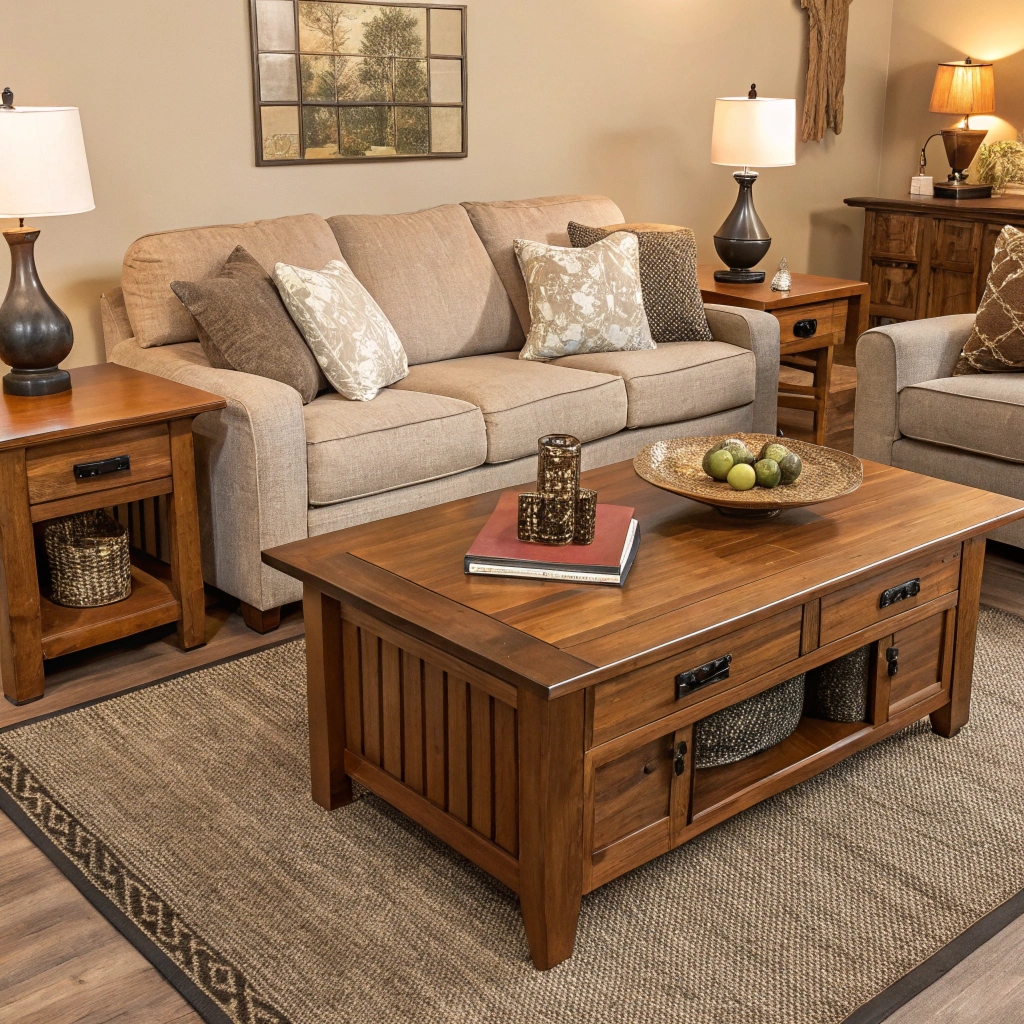
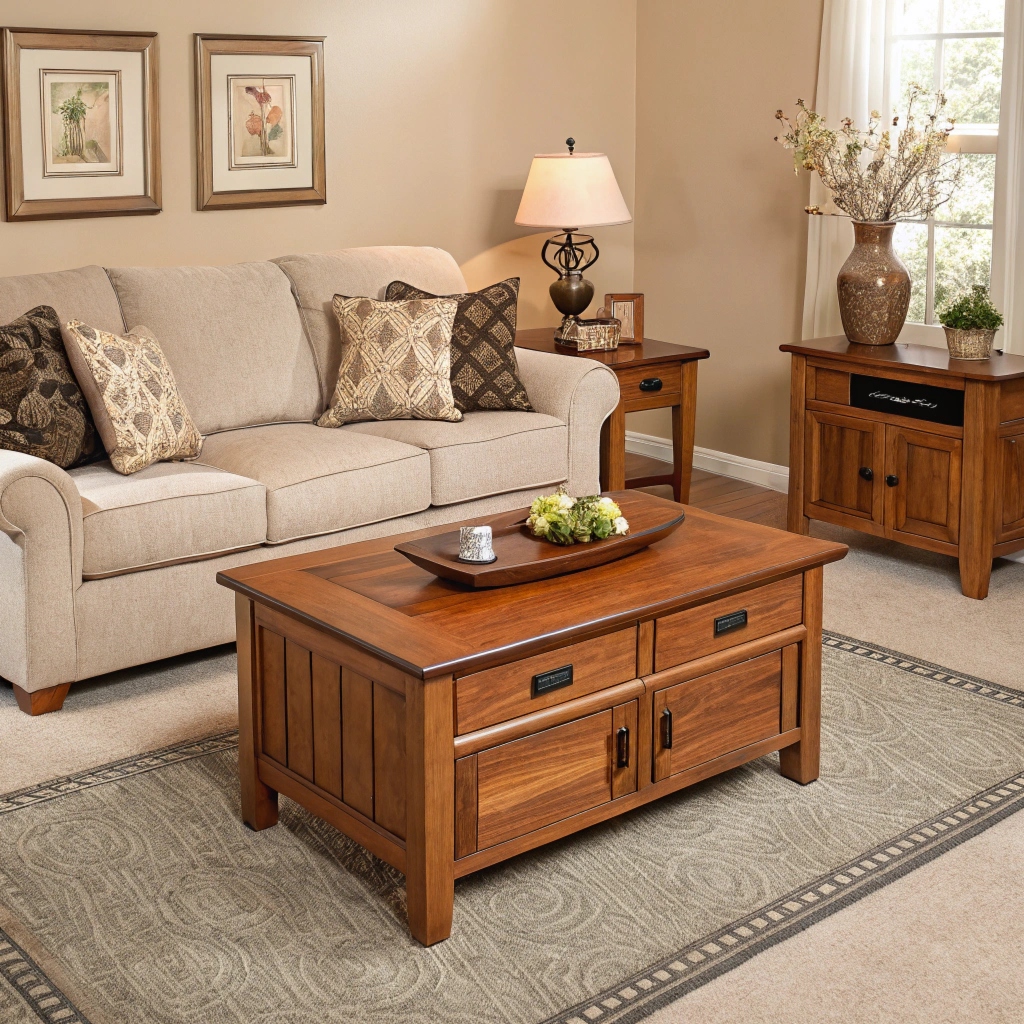
We use a combination of hand tools and machinery, each chosen for its specific purpose. Power tools handle the heavy work—milling rough timber to dimension, cutting joinery to approximate size, and shaping large components. Hand tools perform the fine work—precise fitting of joints, smoothing surfaces, and creating details.
Hand planes, chisels, and saws are kept sharp and ready. A sharp tool is safer and produces better results than a dull one. We maintain our tools regularly, ensuring they perform at their best when needed.
The machinery is carefully maintained and calibrated. Table saws, jointers, planers, and routers are essential for efficient dimensioning and joinery, but they are tools, not substitutes for skill. The final quality of a piece depends on the craftsman's ability to use these tools effectively.
Working Methods
We work on one or two pieces at a time, giving each project the attention it requires. This approach allows us to focus on quality rather than quantity, ensuring that every detail is considered and executed properly.
The work proceeds methodically. Timber is milled and allowed to acclimate. Joints are laid out and cut. Components are fitted and adjusted. Assembly is performed carefully, with attention to alignment and squareness. Surfaces are prepared for finishing through progressive sanding. The finish is applied with care, with time allowed for proper curing.
This methodical approach requires patience, but it results in furniture that meets our standards for quality and durability. There are no shortcuts, no compromises, no "good enough" moments.
Material Storage
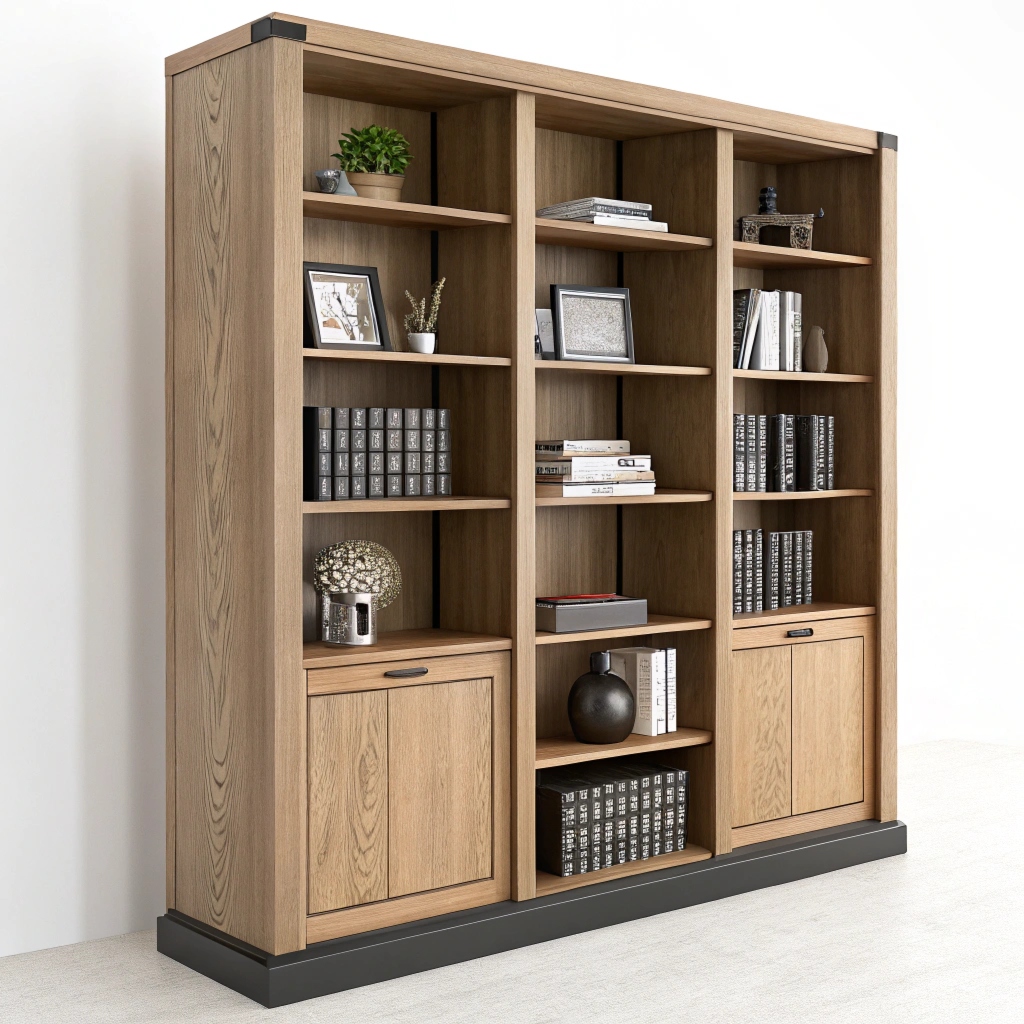
Timber is stored in a climate-controlled area to maintain stable moisture content. This storage prevents warping, splitting, and other issues that can occur when wood is exposed to fluctuating humidity levels.
We maintain a selection of commonly used species in stock, allowing for quick access when needed. For less common species or specific requirements, we source timber as needed from reputable suppliers.
All timber is inspected upon arrival and again before use. We select boards for their suitability to the specific requirements of each project, considering grain direction, color consistency, and structural properties.
Quality Control
Quality control is integrated into every stage of construction. Measurements are checked repeatedly. Joints are test-fitted before final assembly. Surfaces are inspected under good lighting before finishing. Hardware is tested for smooth operation.
Before delivery, each piece undergoes a final inspection. We check for any defects, ensure all hardware functions properly, and verify that the piece matches the approved design. Only when we are satisfied that the piece meets our standards do we prepare it for delivery.
This attention to quality is not optional—it is fundamental to how we work. We take pride in the furniture we create, and that pride is reflected in the care we take at every stage of the process.